
Why Choose Zinc & Architectural Metal Roofing?
With decades of experience, you can be assured our team of experts will deliver only the best in services and expertise, supporting with design advice to aid the construction.
Whether you are designing a modern residential self-build, planning a house extension, or specifying materials for a high-end commercial facade, architectural zinc roofing and cladding has emerged as one of the most sought-after building materials in the UK.

Zinc highlights
60 - 100+
years
service life of a correctly specified and fitted standing seam metal roof
5 kg to 7 kg
per m²
compared to 40 kg+ per m² for concrete or heavy slate tiles
Class
A1/A2
non-combustible fire ratings under European EN 13501-1 standards
100% Recyclable
melted down and reused without any degradation in quality
Discover why architects, homeowners, and developers choose non-ferrous metals over traditional slate, tile, or timber cladding for long-term performance and unmatched design flexibility.

The Power of the Self-Healing Patina in Non-Ferrous Metals
Unlike felt, bitumen, or single-ply membrane flat roofs lasting 15–25 years, a correctly specified and fitted standing seam metal roof has a service life of 60 to 100+ years. Specialist metals engineered for roofing and cladding feature natural defense mechanisms against the unpredictable UK climate: Zinc & Galvanised Steel: When exposed to air and rainwater, raw zinc reacts with moisture and carbon dioxide to form a protective zinc hydroxycarbonate patina. On both solid zinc and galvanised steel, this layer creates a self-healing effect. Minor surface scratches or cut edges from installation and weathering re-seal over time, preserving the underlying structural core. Aluminium: Upon exposure to oxygen, aluminium rapidly forms a microscopic, tough aluminium oxide film. This self-passivating layer makes aluminium naturally rustproof and exceptionally resistant to atmospheric corrosion, particularly when paired with advanced coil-coated finishes in high-exposure or coastal environments.

Zinc is available in three distinct finishes: Natural, Pre-Weathered, Pigmented
Natural Zinc: Starts as a bright silver metal and gradually weathers into a classic matte slate-grey hue over 2 to 5 years depending on local exposure. Pre-Weathered Zinc: Chemically treated at the mill (such as VMZinc Quartz-Zinc or Rheinzink Graphite-Grey) to provide an instant, stable velvet-grey or dark charcoal aesthetic from day one. Pigmented Finishes: Includes subtle coloured undertones (blue-grey, red-brown, forest green, or jet black) while retaining the natural grain of pre-weathered Zinc beneath.
Design Flexibility & Structural Versatility
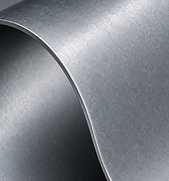
Because zinc is a malleable non-ferrous alloy (typically alloyed with tiny percentages of titanium and copper for strength), it can be custom-crafted around complex architectural design. Curved & Domed Structures: Zinc panels can be rolled to tight shapes, enabling smooth barrel vaults, sweeping curved roofs, and intricate dormer details. Multiple Installation Systems: From standing seam roofing (double-lock or single-lock) to flat lock shingles, interlocking panels, and cassette facades, zinc adapts to virtually any envelope design. Low Pitch Performance: Standing seam zinc systems can be installed on roof slopes as shallow as 3°, making them ideal for contemporary rear extensions where head-height below windows is restricted.
Lightweight Construction & Fire Performance
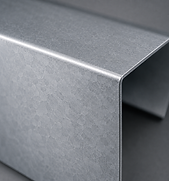
Despite its durability, zinc is surprisingly lightweight. Weighing roughly 5 kg to 7 kg per m² (compared to 40 kg+ per m² for concrete or heavy slate tiles), meaning minimal structural load. Solid metal zinc roofing systems achieve Class A1/A2 non-combustible fire ratings under European EN 13501-1 standards, providing essential safety compliance for modern residential and commercial facades.

High-End Aesthetic Appeal & Colour Finishes
Architects frequently select Zinc cladding for its clean lines, shadow gaps, and crisp contemporary look. It works well alongside other organic materials such as timber cladding, exposed brick, glass extensions, and natural stone.

Eco-Friendliness & Sustainability
100% Recyclable, at the end of its life, all architectural zinc can be melted down and reused without any degradation in quality. Zinc’s low melting point compared to copper or steel means manufacturing zinc panels consumes significantly less energy than other construction metals.
Zinc
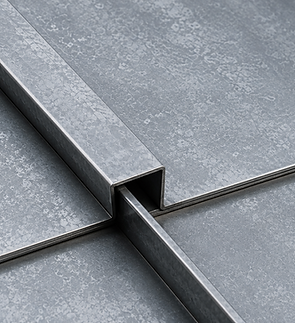
Used for centuries, zinc production continues to evolve. To enhance the mechanical properties, Zinc which is a natural material is now alloyed with copper and titanium. Zinc is used in either its natural bright state, leaving the development of its protecting oxide to nature or chemically pre-weathered and more recently colour coated and pigment finishes are also available.

Aluminium
The introduction of aluminium as metal roofing is relatively recent. Aluminium is a strong, lightweight material which is mostly colour-coated, perfect for modern urban developments. If you would like to use colour creatively to accentuate a feature, to group areas together or set them apart, we offer a range of pre-painted aluminium finishes.

Copper
Copper as a roofing material dates back to Roman times. Once it is fully weathered, it develops a distinctive green oxide. More recently copper has been alloyed with other elements to produce several varying finishes including brass, bronze, brown and gold.

Steel
The development of modern Stainless Steel was made possible with the invention of the electric furnace in 1918. A relatively recent contributor to the craft of sheet metal roofing, Stainless Steel is available in matt, terne coat, and bright finishes. Galvanised Steel features a protective zinc coating bonded to a strong steel core; frequently finished with modern bio-based or ceramic colour coatings. It combines exceptional structural strength and impact resistance with minimal thermal expansion, making it a highly versatile, cost-effective option for standing seam roofs, architectural cladding, and matching rainwater systems.